
Beginner Tips for Composting at Home: A Simple Guide to Getting Started
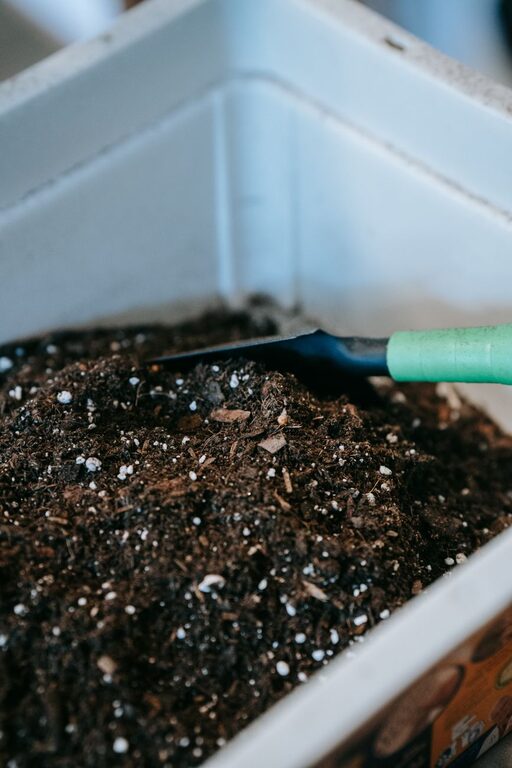
Composting at home is a rewarding way to reduce waste and create nutrient-rich soil for your garden. Whether you have a large backyard or a small balcony, composting can be adapted to fit your space and lifestyle. If you’re new to composting, this guide will provide beginner-friendly tips to help you get started successfully.
What is Composting?
Composting is the natural process of recycling organic matter, such as food scraps and yard waste, into a dark, crumbly soil amendment known as compost. This compost boosts soil health, improves plant growth, and reduces the need for chemical fertilizers.
Why Compost at Home?
– Reduces landfill waste: Composting diverts food scraps and yard waste from landfills, where they produce methane, a potent greenhouse gas.
– Saves money: Making your own compost reduces the need to buy fertilizers and soil conditioners.
– Enhances garden health: Compost improves soil structure, moisture retention, and nutrient content.
– Supports sustainability: Composting promotes a greener lifestyle by recycling organic materials.
Getting Started: Choose Your Composting Method
Backyard Composting
If you have space, a compost bin or pile in your backyard is an easy and effective option.
– Use a compost bin or build a simple pile in a sunny spot.
– Ensure good airflow by turning the pile regularly.
Indoor Composting
For apartment dwellers, indoor composting options include:
– Vermicomposting (worm composting): Using worms to break down food scraps in a controlled bin.
– Bokashi composting: A fermentation method using a special bran to decompose food quickly.
– Small countertop compost bins: Collect scraps to transfer outdoors or to a community compost program.
What Can You Compost?
Browns and Greens
Compost materials fall into two categories:
– Browns: Dry, carbon-rich materials like dry leaves, cardboard, paper, straw, and wood chips.
– Greens: Fresh, nitrogen-rich materials such as fruit and vegetable scraps, coffee grounds, grass clippings, and tea bags.
A balanced mix of browns and greens helps maintain a healthy compost pile.
Avoid Composting
Certain items should be avoided:
– Meat, dairy, and oily foods (attract pests and cause odor)
– Diseased plants or weeds with seeds
– Pet waste
– Non-biodegradable materials like plastics or metals
Tips for Successful Home Composting
1. Balance Your Materials
Aim for about three parts browns to one part greens. Too much green material can cause odor, while too many browns slow decomposition.
2. Chop or Shred Materials
Smaller pieces break down faster. Chop kitchen scraps and shred leaves or paper before adding them.
3. Maintain Moisture Levels
Your compost should be as moist as a wrung-out sponge. Add water if it’s dry or add more browns if it’s too wet.
4. Aerate Regularly
Turn your compost every 1-2 weeks to supply oxygen, which speeds up decomposition and prevents odor.
5. Be Patient
Composting takes time—anywhere from two months to a year depending on conditions. Finished compost will be dark, crumbly, and smell earthy.
Troubleshooting Common Compost Issues
– Bad odors: Usually caused by too much green material or poor aeration. Turn the pile and add more browns.
– Pile too dry: Add water and green materials.
– Pile too wet: Add more browns and turn it to improve airflow.
– Slow breakdown: Chop materials finely and turn the pile more often.
Using Your Finished Compost
Once your compost is ready, use it in these ways:
– Mix into garden beds to enrich soil.
– Add to potted plants as a top dressing.
– Use as mulch around trees and shrubs.
– Incorporate into lawn soil to improve texture and growth.
Final Thoughts
Starting a home composting routine is an easy step towards living more sustainably and improving your garden’s health. With just a few simple tips and some patience, you can turn everyday waste into a valuable resource.
Happy composting!