
How to Store Seasonal Clothes Efficiently: Tips for Smart Organization
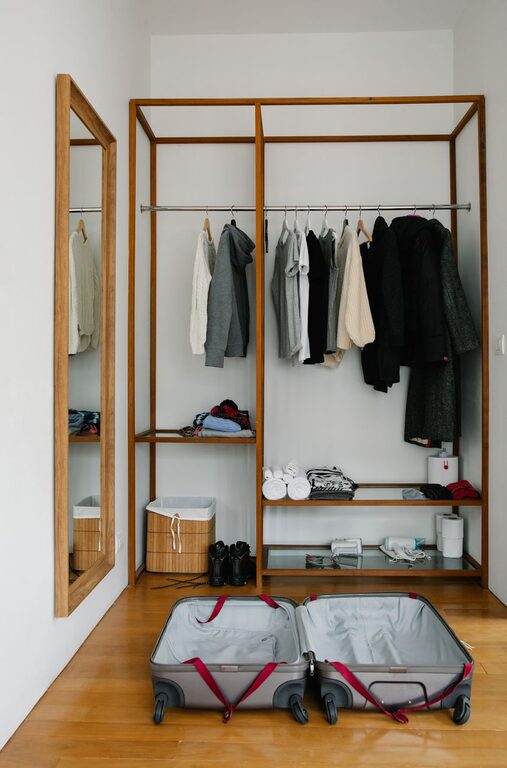
Storing seasonal clothes efficiently is key to keeping your home organized and your wardrobe ready for each season. Whether you’re switching out summer dresses for cozy winter sweaters or packing away bulky coats for warmer months, having a system in place can make the process easier and help protect your clothes from damage. In this guide, we’ll explore practical tips and ideas for storing your seasonal garments in a way that saves space and keeps them in great condition until it’s time to wear them again.
Why Efficient Storage Matters
Seasonal clothes are often bulky or delicate, which can lead to damage if not stored properly. Efficient storage helps you:
– Maximize your closet and storage space
– Protect clothes from dust, moisture, pests, and wrinkles
– Make it simple to find what you need when the seasons change
– Extend the life of your garments
By preparing and organizing your seasonal clothes carefully, you’ll also reduce clutter and create a more enjoyable wardrobe experience.
Step 1: Sort and Declutter Before Storing
Before packing away your seasonal clothes, take the time to sort through them. This not only helps you cut down on clutter but also ensures you only store items you actually wear.
How to Sort
– Try on or review each item. Ask yourself if you’ve worn it in the last season or if it fits well.
– Set aside clothes to donate or recycle. If something is stained, torn, or no longer your style, consider giving it a new life elsewhere.
– Group items by category. For example, separate sweaters, pants, and accessories so you can store and access them easily.
Decluttering keeps your storage space clean and makes it easier to find what you’ll want next season.
Step 2: Clean Clothes Thoroughly
Always clean clothes before storing them. Dirt, oils, and sweat can attract pests or cause stains to set permanently.
– Wash or dry-clean items according to their care labels.
– Make sure everything is completely dry to prevent mold and mildew.
– Iron or steam garments to remove wrinkles and creases before folding.
Clean clothes will stay fresher in storage and be ready to wear when you take them out.
Step 3: Choose the Right Storage Containers
The containers you use can make a big difference in preserving your seasonal wardrobe.
Types of Storage Containers
– Plastic bins with lids: Protect against moisture and pests; clear bins help you see contents.
– Fabric storage bags: Allow clothes to breathe; ideal for delicate items but less protective against pests.
– Vacuum-seal bags: Save space by compressing clothes; best for items that won’t be crushed.
– Suitcases or storage ottomans: Double as storage and furniture; useful for bulky items.
Avoid cardboard boxes, as they can attract pests and deteriorate over time.
Step 4: Store Clothes Properly
How you pack your clothes affects their condition when you retrieve them.
Folding vs. Hanging
– Fold bulky sweaters, knits, and winter wear to prevent stretching.
– Hang delicate garments and dresses to avoid wrinkles and creases.
– Use padded hangers to help maintain garment shape.
Packing Tips
– Use acid-free tissue paper between layers to prevent wrinkles and color transfer.
– Place heavier items at the bottom of your container, lighter items on top.
– Avoid overpacking so clothes aren’t crushed.
– Add lavender sachets or cedar blocks to deter moths and pests naturally.
Step 5: Store in a Cool, Dry, and Dark Place
Where you keep your seasonal clothes matters as much as how you store them.
– Avoid attics or basements if they tend to be very hot, cold, or damp.
– Choose a closet, under-bed storage, or a climate-controlled room.
– Make sure the area is well-ventilated to prevent musty smells.
Proper environment helps avoid damage like mold, fading, or fabric deterioration.
Step 6: Label and Inventory Your Storage
Labeling containers makes seasonal transitions smoother. When you know exactly what’s inside, you won’t waste time searching.
– Use large, clear labels or a labeling machine.
– Include categories and seasons on the label.
– Maintain an inventory list; a simple spreadsheet or app can help you track what’s stored and where.
This system is especially helpful if you store clothes in multiple locations.
Step 7: Refresh Clothes Before Wearing Again
When it’s time to swap seasons, take a few extra steps to keep your wardrobe fresh.
– Inspect stored items for any damage or pests.
– Air out clothes for a few hours before wearing.
– Wash or spot-clean any clothes that need it.
These quick steps ensure the clothes you pull out look and feel great.
Bonus Tips for Small Spaces
If you have limited storage space, consider these ideas:
– Under-bed storage containers keep clothes out of sight but accessible.
– Use hanging closet organizers with shelves or pockets.
– Store off-season shoes in clear boxes stacked vertically.
– Rotate clothes seasonally and donate any items you didn’t wear last season.
Conclusion
Storing seasonal clothes efficiently doesn’t have to be complicated. By sorting, cleaning, choosing the right containers, and storing clothes thoughtfully, you’ll keep your wardrobe organized, protected, and easy to access. Making these storage practices a routine will save you time, space, and effort each season, letting you focus on enjoying your clothes rather than managing them.
Happy organizing!